
Hope for the Future
EducationEducation is more than a classroom. It is the foundation for opportunity, dignity, and a better future. Yet, many children from marginalized and underprivileged communities are forced to discontinue their education due to poverty, lack of resources, social inequality, and other challenges. Hope for the Future is Faith Foundation's initiative dedicated to reducing school dropouts and ensuring that every child has the opportunity to continue their education, regardless of their circumstances.
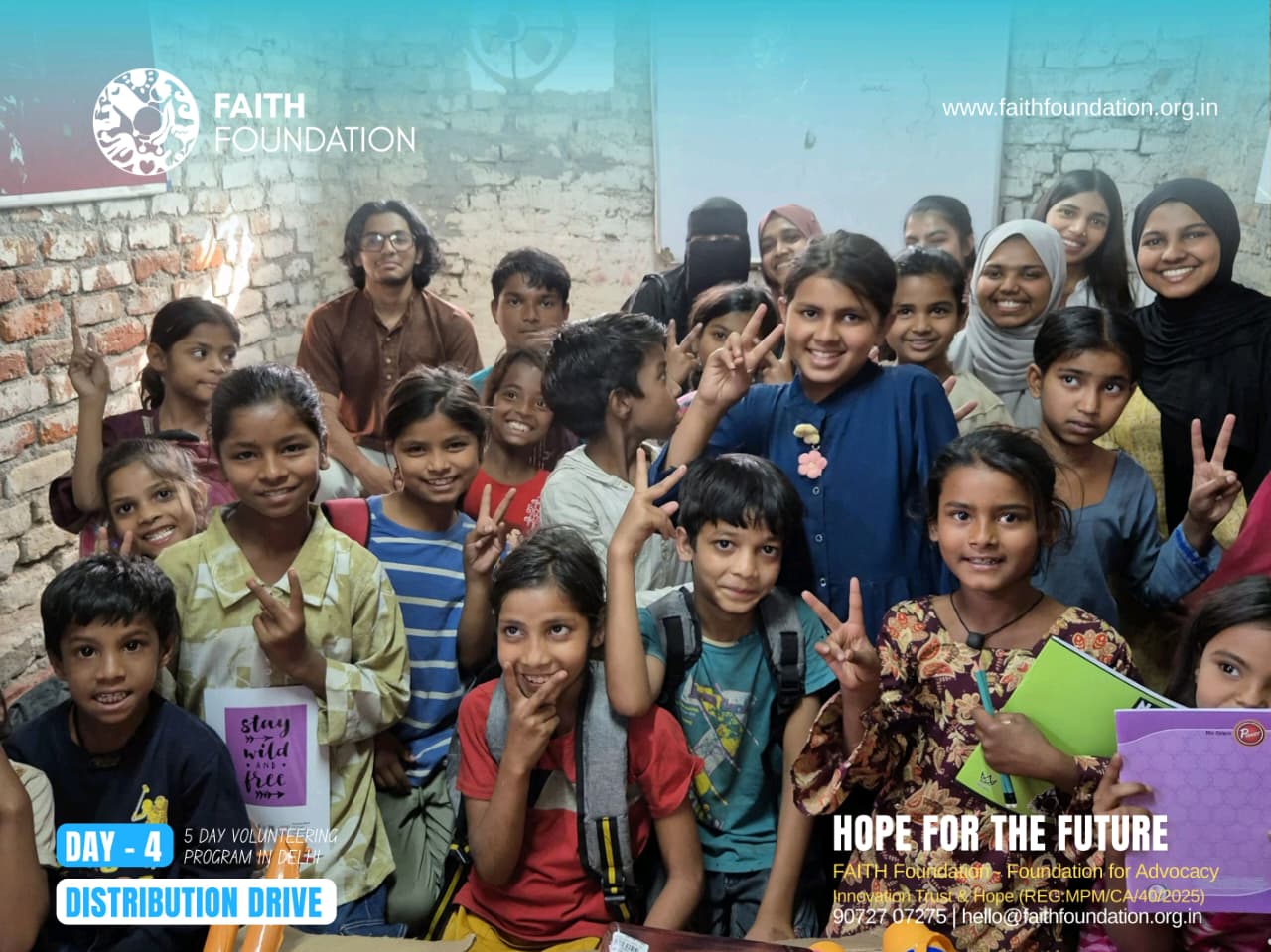
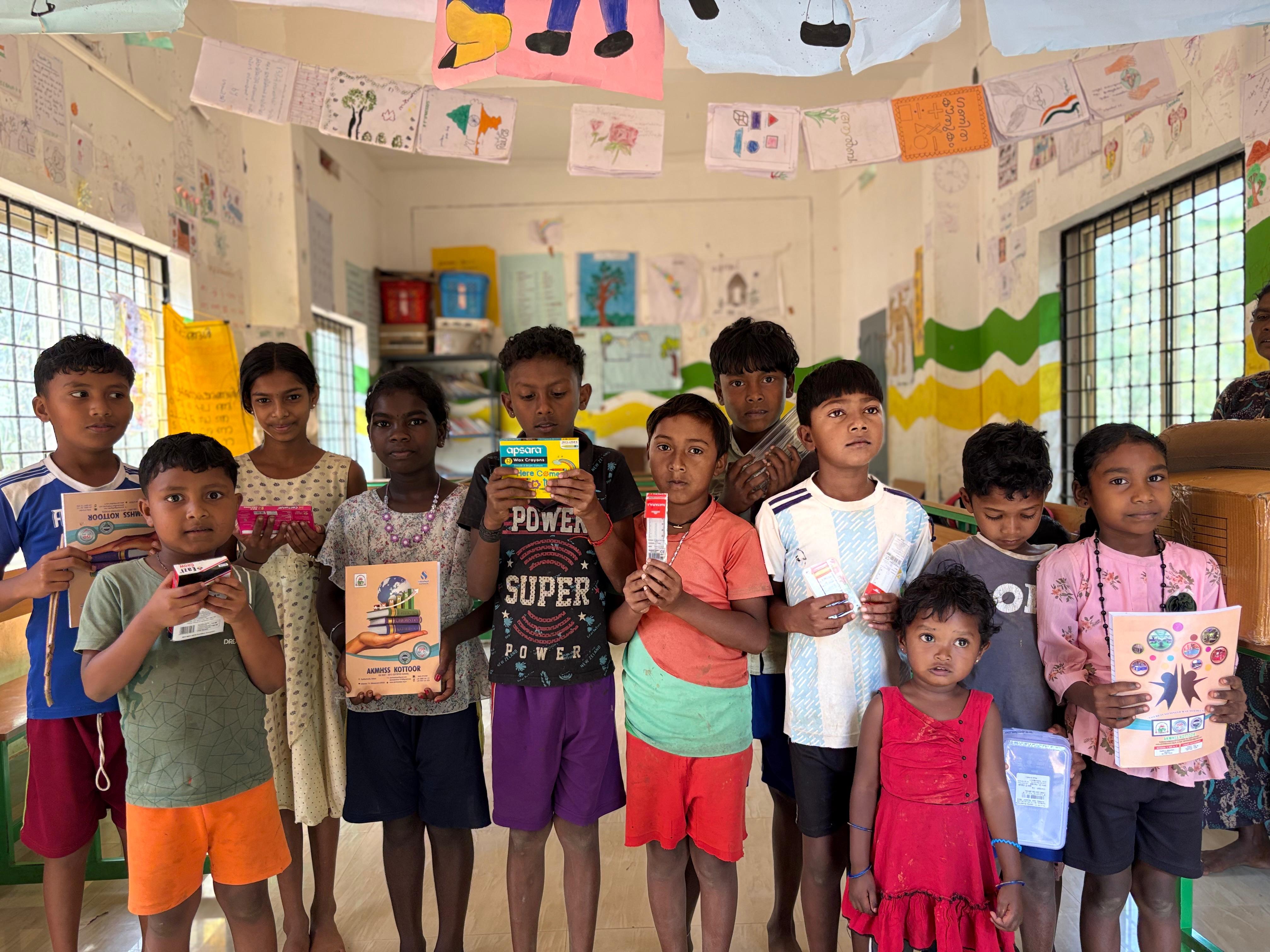
The project identifies children who are at risk of dropping out and supports them through educational interventions, mentorship, community engagement, and awareness among parents. A key component of the initiative is the distribution of educational materials, including school bags, notebooks, stationery, uniforms, learning resources, and other essential supplies that enable children to continue their studies with dignity and confidence. By addressing both educational and practical barriers, the project helps children remain connected to their schools and their aspirations.
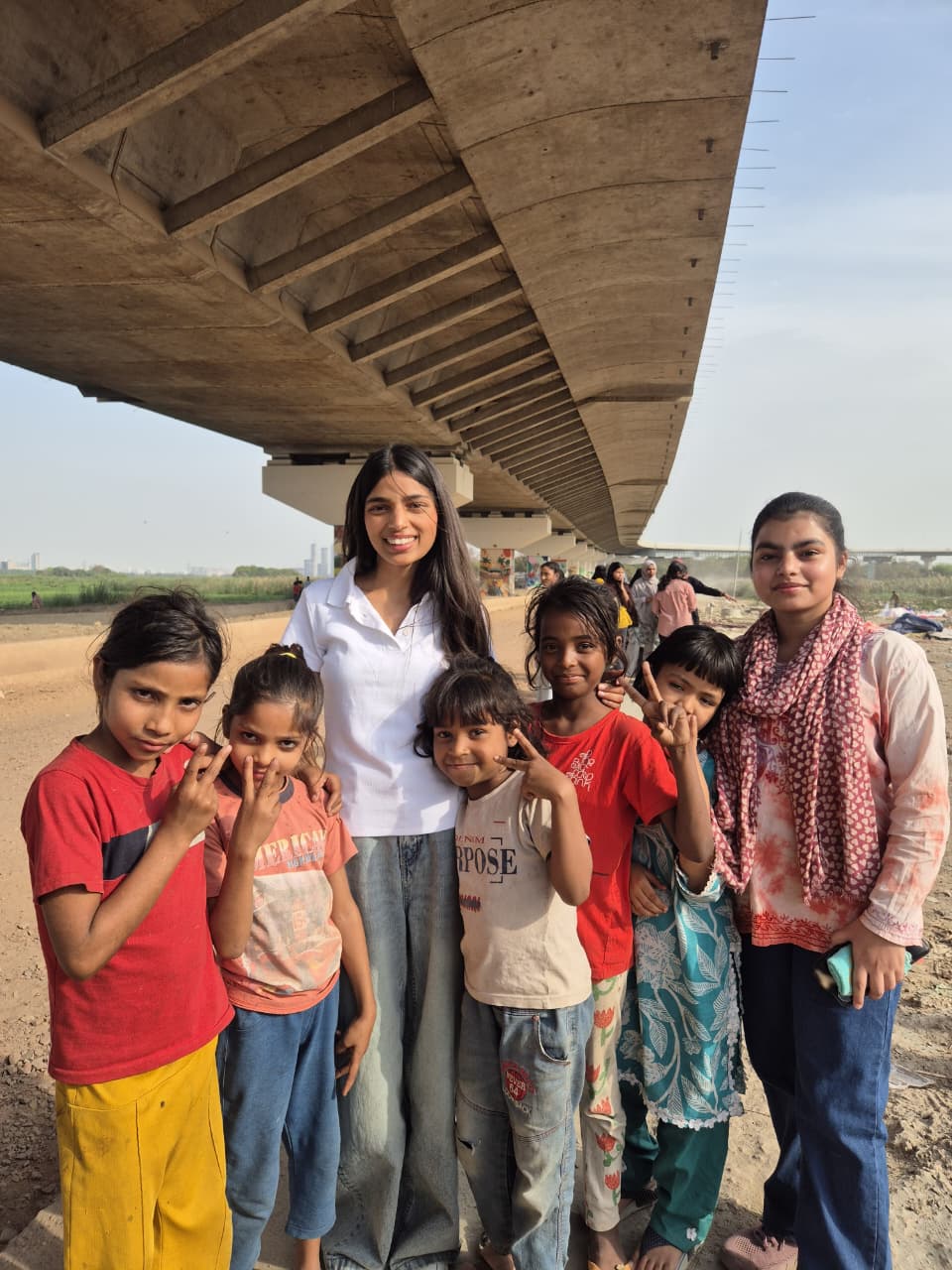
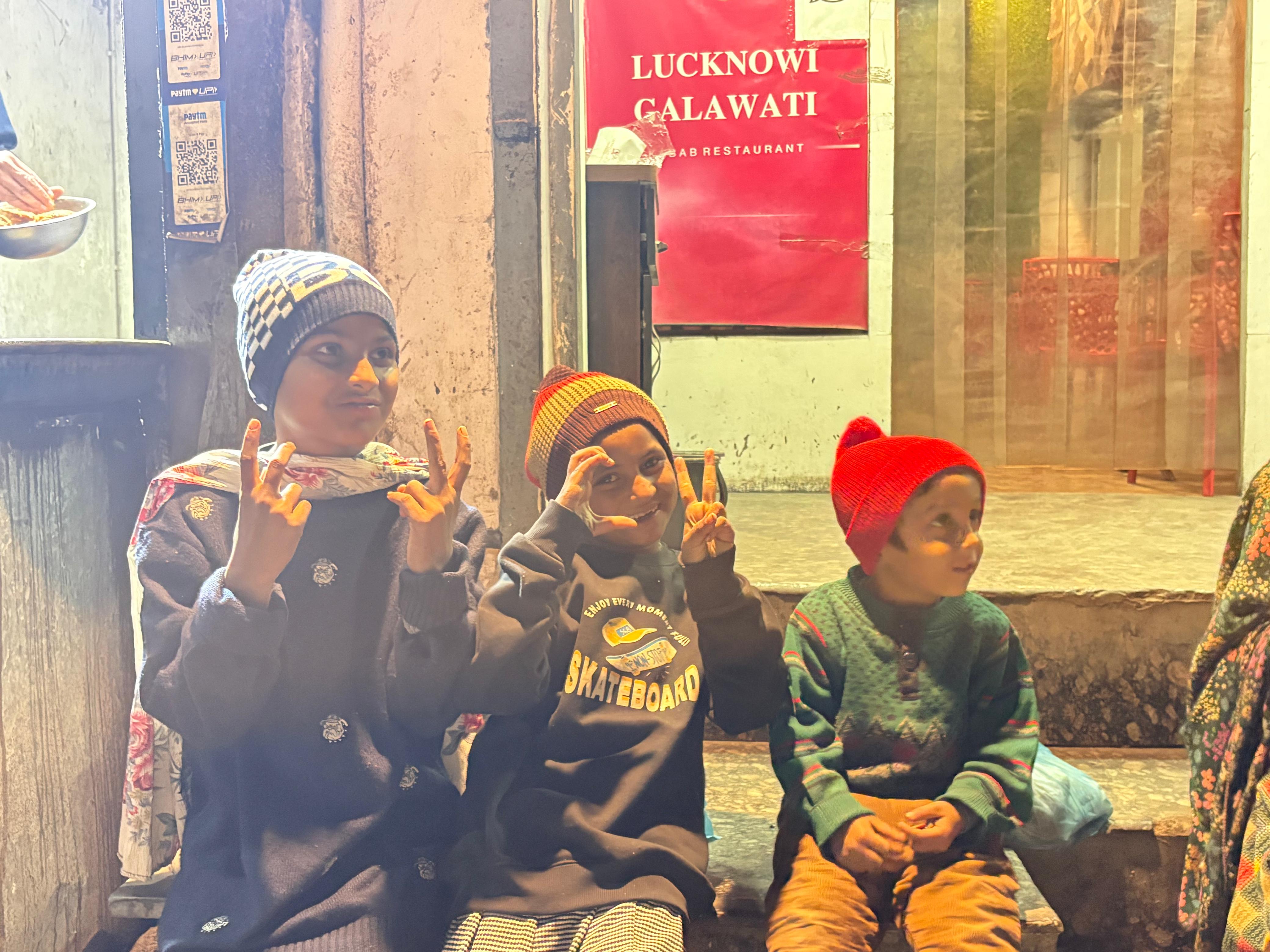
Currently, Hope for the Future focuses on children living in the slums of Delhi and tribal students in Madhya Pradesh and Wayanad, Kerala. These communities often face financial hardship, limited access to educational resources, and geographical or social challenges that increase the risk of school dropout. Working closely with schools, local communities, volunteers, and partner organizations, the project strives to ensure that every child receives the support they need to stay in school and succeed.
Our vision is a future where no child is denied an education because of poverty or disadvantage. Through educational support, material assistance, community participation, and long-term interventions, Hope for the Future seeks to empower children with the knowledge, confidence, and opportunities they need to build brighter futures.
Our Objectives
-Reduce school dropouts among marginalized and underprivileged children.
-Protect and promote access to quality education for vulnerable communities.
-Distribute essential educational materials to children in need.
-Support students through mentorship, educational assistance, and community-based interventions.
-Encourage parental and community participation in children's education.
-Collaborate with schools, volunteers, and partner organizations to strengthen educational support systems.